Connecting Flexible Transactions to Boosted Rewards in Multi-Provider Gaming Systems
Henrik Carter · Aug 2, 2026
Connecting Flexible Transactions to Boosted Rewards in Multi-Provider Gaming Systems
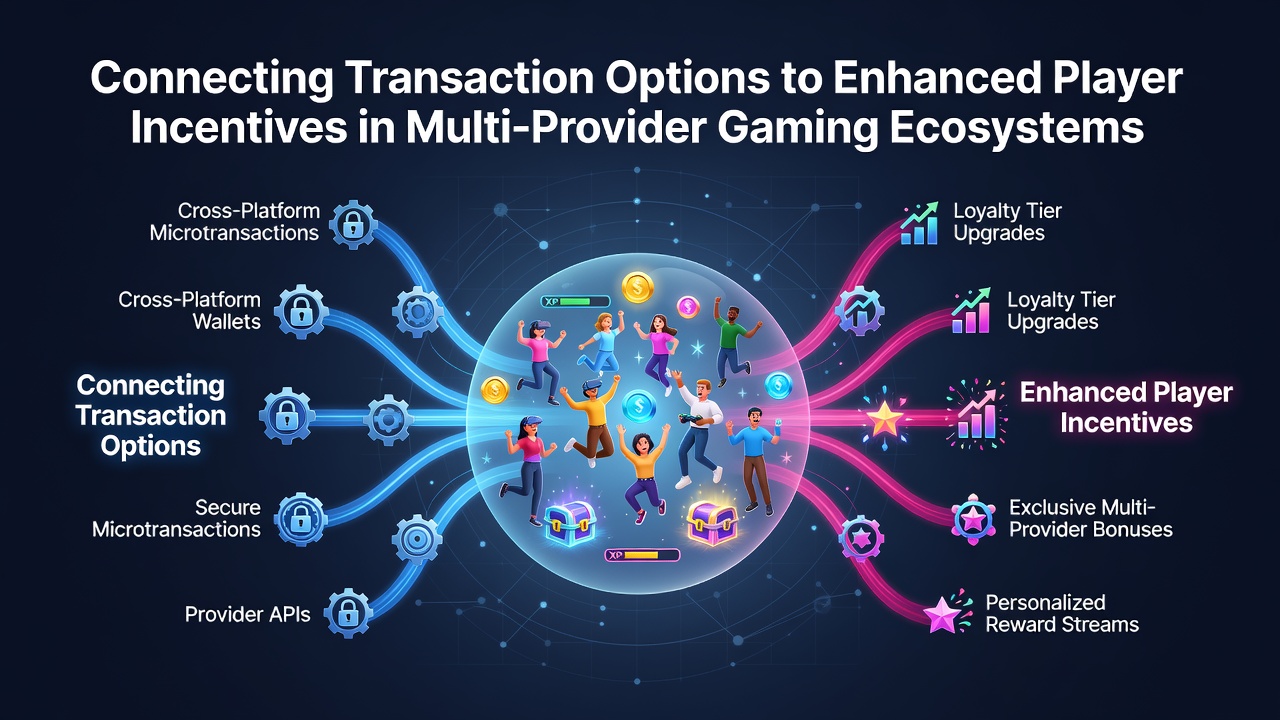
Transaction options have become central to how operators structure incentives across platforms that aggregate games from multiple providers, and data from industry reports shows clear patterns in how deposit and withdrawal methods influence reward eligibility. Players who select certain payment channels often gain access to tiered bonuses that scale with transaction volume, while platforms integrate these systems to streamline loyalty tracking in environments where several game suppliers operate side by side.
Payment Methods Shape Incentive Eligibility
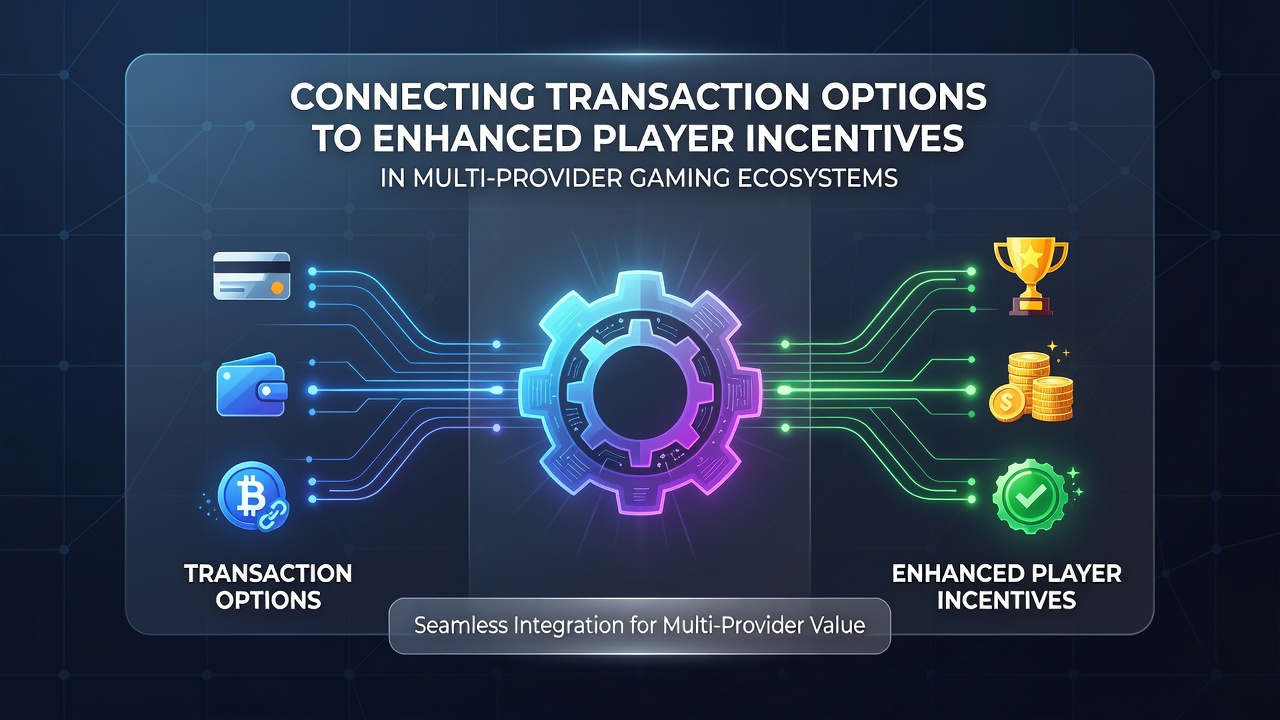
Operators in multi-provider ecosystems link specific transaction types to reward programs because processing speed and cost structures differ across e-wallets, bank transfers, and cryptocurrency options. Research from the American Gaming Association indicates that platforms using instant settlement methods report higher participation rates in loyalty schemes, since players can move funds quickly and qualify for time-sensitive promotions without delays. Those who've examined transaction logs note that credit card deposits frequently trigger immediate bonus credits, whereas slower methods like wire transfers require additional verification steps that postpone incentive activation.
August 2026 brought updates to several regional frameworks, and regulators in multiple jurisdictions began requiring clearer disclosure of how payment choices affect reward calculations. This shift encouraged operators to standardize their systems so that incentives remain consistent regardless of which game provider supplies the content. Data shows that unified transaction layers reduce friction, allowing players to accumulate points across diverse titles without separate tracking for each supplier.
Integration Challenges in Aggregated Platforms
Multi-provider setups introduce complexity because each game supplier may maintain its own backend for tracking player activity, yet operators must merge these into one incentive engine. When transaction data feeds into a central rewards database, mismatches in timing or currency conversion can disrupt bonus calculations. Observers note that platforms employing API-driven connections between payment processors and loyalty modules achieve smoother synchronization, reducing the instances where players lose out on rewards due to technical gaps.
Case examples from European operators demonstrate that incorporating cryptocurrency options alongside traditional methods expands the pool of eligible incentives, since blockchain transactions often carry lower fees and enable cross-border play without additional conversion layers. According to a study published by the University of Nevada's gaming research center, platforms that offered at least four distinct transaction pathways saw a measurable increase in repeat engagement with reward programs compared to those limited to two options.
Regional Variations in Transaction-Reward Linkages
Canadian provincial regulators have examined how payment flexibility supports incentive structures in markets where operators host content from numerous international providers. Figures from recent compliance reviews reveal that operators permitting both fiat and digital currency transactions maintain higher retention in loyalty tiers, because players can choose methods that align with their preferred reward redemption speed. In contrast, markets with stricter single-currency rules show slower adoption of certain bonus types tied to volume-based deposits.
Industry associations such as the European Gaming and Betting Association have published guidelines that encourage transparent mapping between transaction options and incentive triggers. These documents emphasize that clear communication helps players understand which payment routes unlock enhanced rewards, such as cashback multipliers or free play credits that activate only after a qualifying deposit clears through approved channels.
Technical Standards Supporting Seamless Connections
Developers building multi-provider platforms increasingly rely on standardized protocols that allow transaction data to flow directly into incentive engines without manual reconciliation. This approach lets operators apply dynamic reward rules based on payment method, amount, and frequency, while maintaining compliance across different game suppliers. Those who have reviewed platform architectures note that real-time data pipelines prevent the common issue where delayed transaction records cause players to miss out on limited-time incentives.
Reports from Australian research institutions highlight that ecosystems supporting instant payout methods tied to loyalty points experience fewer disputes over unredeemed rewards. The ability to convert transaction history into actionable incentive data in a single step reduces administrative overhead for operators managing dozens of game providers simultaneously.
Conclusion
Transaction options and player incentives remain tightly coupled in multi-provider gaming ecosystems, with evidence from multiple regulatory and academic sources confirming that flexible payment integration drives broader participation in reward programs. As platforms continue to evolve through 2026, operators that maintain robust connections between these systems position themselves to deliver consistent incentive experiences across varied game offerings. Data indicates that continued refinement of these linkages will shape how incentives scale in environments where multiple providers contribute content under one operational umbrella.