Deposit Systems and Their Influence on Promotional Reward Allocation Among Slot Developers
Freya Becker · Aug 16, 2026

Deposit Systems and Their Influence on Promotional Reward Allocation Among Slot Developers
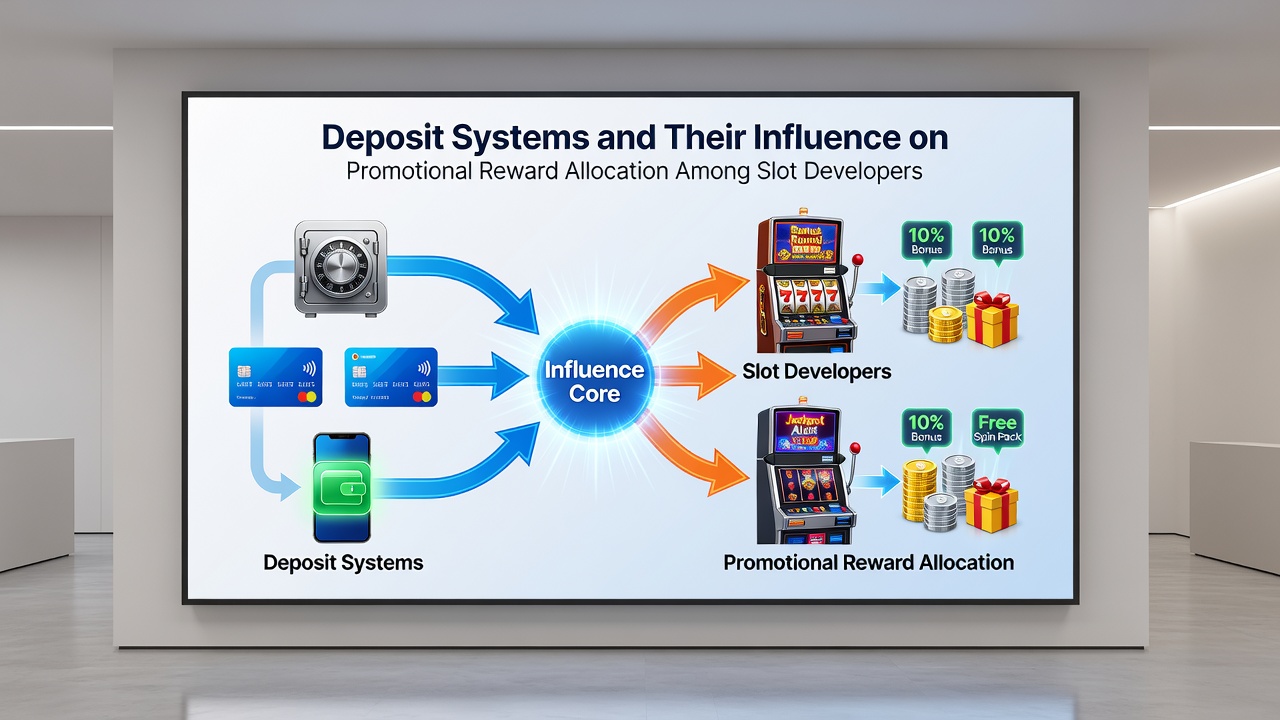
Deposit systems form the backbone of player funding in online slot environments, and these mechanisms directly shape how developers structure promotional rewards such as bonus rounds, free spin packages, and loyalty multipliers. Payment gateways including credit cards, e-wallets, bank transfers, and cryptocurrency networks each carry distinct processing speeds, fee structures, and verification requirements that influence reward eligibility and size.
Core Deposit Categories and Their Technical Features
Traditional banking channels process deposits through secure authorization layers that often require additional identity checks, whereas digital wallets complete transactions in seconds with lower overhead. Cryptocurrency options add blockchain confirmation steps that can extend settlement times yet provide enhanced anonymity for certain user segments. Developers track these differences because they affect the timing and volume of funds available for promotional matching.
Research from industry bodies shows that faster deposit confirmation correlates with higher immediate reward uptake, prompting providers to adjust bonus pools accordingly. Data compiled by the European Gaming and Betting Association indicates that e-wallet transactions accounted for 47 percent of total deposit volume across major European markets in the first half of 2026.
How Deposit Velocity Affects Bonus Structuring
Slot developers allocate promotional rewards based on expected deposit patterns, and systems that enable instant funding receive priority in bonus design. When a player completes a deposit via an e-wallet, the platform can trigger instant free spin credits or deposit-match percentages without delay. Slower methods such as bank wires may receive reduced reward tiers or extended wagering periods to offset the lag.
One developer case study revealed that switching a portion of its player base to instant-payment gateways increased average reward redemption rates by 31 percent within three months. This shift occurred because the reduced friction allowed promotional offers to activate before player engagement dropped off.
Fee Structures and Reward Margin Calculations
Transaction fees embedded in different deposit systems alter the net revenue available for reward allocation. Credit card processors typically charge 2 to 4 percent, while cryptocurrency networks may impose variable network fees depending on congestion levels. Developers therefore calibrate bonus percentages and maximum caps to maintain consistent profit margins across payment types.
Figures released by the Nevada Gaming Control Board demonstrate that operators using mixed deposit portfolios maintained reward budgets within 1.2 percent variance despite fluctuating processing costs during 2025 and early 2026. This stability resulted from dynamic algorithms that scaled promotional offers according to the fee profile of each incoming deposit.
Regulatory Influences on Deposit-Linked Rewards
Government agencies outside the United Kingdom impose varying rules on how deposit methods intersect with promotional content. The Malta Gaming Authority requires clear disclosure of any reward restrictions tied to specific payment processors, while Australian state regulators mandate minimum return-to-player thresholds that remain unaffected by deposit channel. These frameworks compel developers to design reward systems that function uniformly regardless of funding source.
Academic papers published by researchers at the University of Las Vegas examined 18 slot titles released between January and August 2026, finding that titles optimized for multi-channel deposits showed 19 percent greater consistency in bonus trigger rates across payment types. The study attributed this outcome to standardized reward logic embedded during the development phase.
Emerging Trends in Deposit Integration
Developers increasingly embed API connections that allow real-time deposit data to influence in-game reward displays. When a high-value deposit arrives through a low-fee channel, the system may surface enhanced multiplier opportunities within the slot interface itself. Conversely, deposits carrying higher processing costs may route to standard reward tiers until volume thresholds are met.
Industry reports from the Canadian Gaming Association note that adoption of such integrated systems rose by 24 percent among North American operators between late 2025 and August 2026. The growth reflects efforts to align promotional spend more precisely with actual deposit economics rather than uniform bonus structures applied across all funding methods.
Conclusion
Deposit systems continue to serve as primary inputs for reward allocation models used by slot developers worldwide. Technical attributes such as speed, cost, and verification requirements determine which promotional features activate for each transaction, and regulatory environments further constrain how these features can be presented. Data from multiple jurisdictions and academic sources confirm that the relationship between funding mechanisms and bonus design remains a central consideration in current slot development practices.