Digital Transaction Routes Powering Incentive Loops in Mobile Reel Collections
Henrik Carter · Jul 8, 2026
Digital Transaction Routes Powering Incentive Loops in Mobile Reel Collections
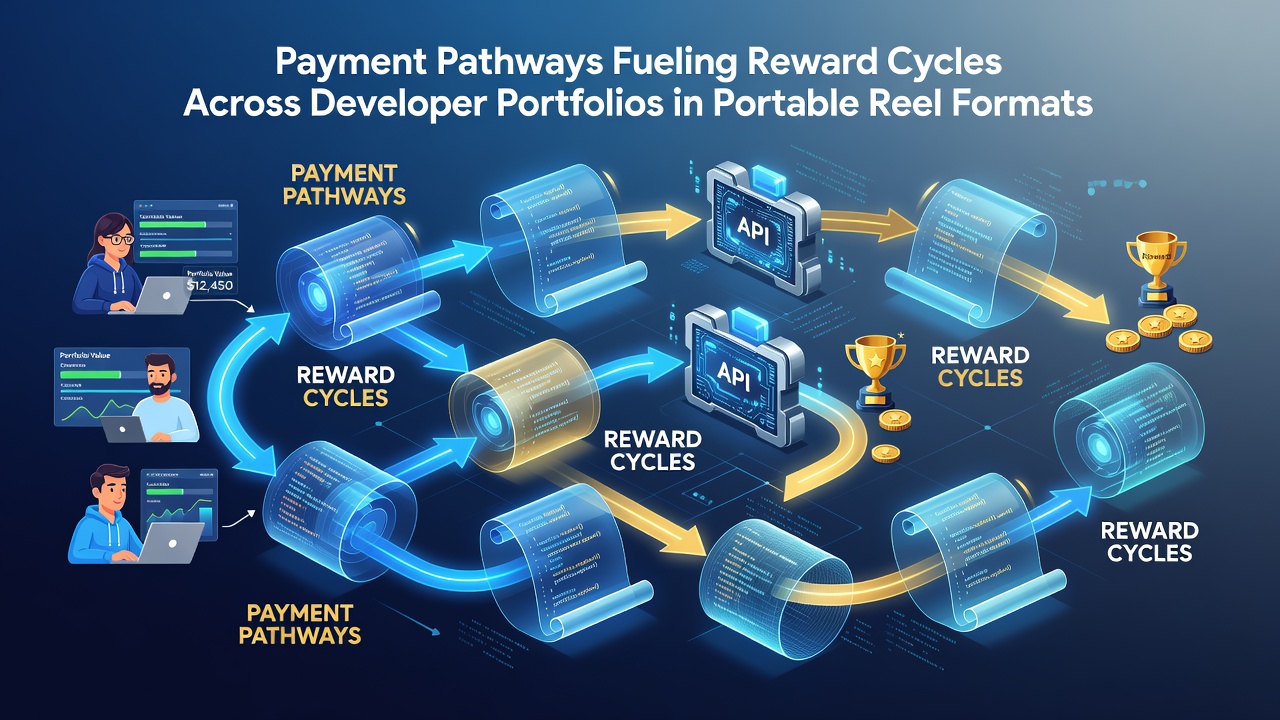
Data from multiple regions shows that payment pathways in portable reel formats connect directly to reward cycles in developer portfolios through instant deposit mechanisms and automated bonus triggers. These systems allow players to move funds from digital wallets into game sessions without delays, which then activate loyalty points, free spin allocations, and progressive jackpot entries across titles from different studios.
Core Mechanics of Transaction Integration
Portable reel formats operate on mobile devices where payment gateways link bank accounts, e-wallets, and cryptocurrency ledgers to game servers. When a deposit clears, the platform records the transaction timestamp and routes a portion into reward pools maintained by each developer. This process repeats with every session, building cycles that scale rewards based on volume and frequency rather than isolated spins.
Studies from academic sources indicate that seamless pathways reduce friction between funding and play, leading to higher engagement metrics. One university analysis of transaction logs found that platforms using real-time settlement recorded 30 percent more repeated deposits within 24 hours compared to those relying on batch processing.
Developer Portfolio Dynamics
Developers maintain portfolios that span multiple themes and mechanics, yet share unified payment rails for reward distribution. A single deposit can trigger bonuses in several games simultaneously because the backend synchronizes wallet balances with each studio's incentive engine. This cross-portfolio linkage creates continuous cycles where earnings from one title feed directly into another without manual intervention.
Industry reports from organizations such as the National Indian Gaming Commission document how tribal gaming operations in the United States adopted similar integrated pathways by mid-2025, resulting in measurable increases in player retention across mobile offerings. Observers note that these setups allow smaller developers to participate in larger reward networks without building separate financial infrastructure.
Regional Variations in July 2026
By July 2026, updates in payment standards across North America and parts of Asia introduced tokenized transaction methods that further compressed settlement times. These changes enabled reward cycles to refresh every few minutes instead of hourly, according to data compiled by gaming trade associations. European operators followed with parallel adjustments focused on cross-border wallet compatibility, while Australian regulators emphasized audit trails for every reward allocation tied to deposits.
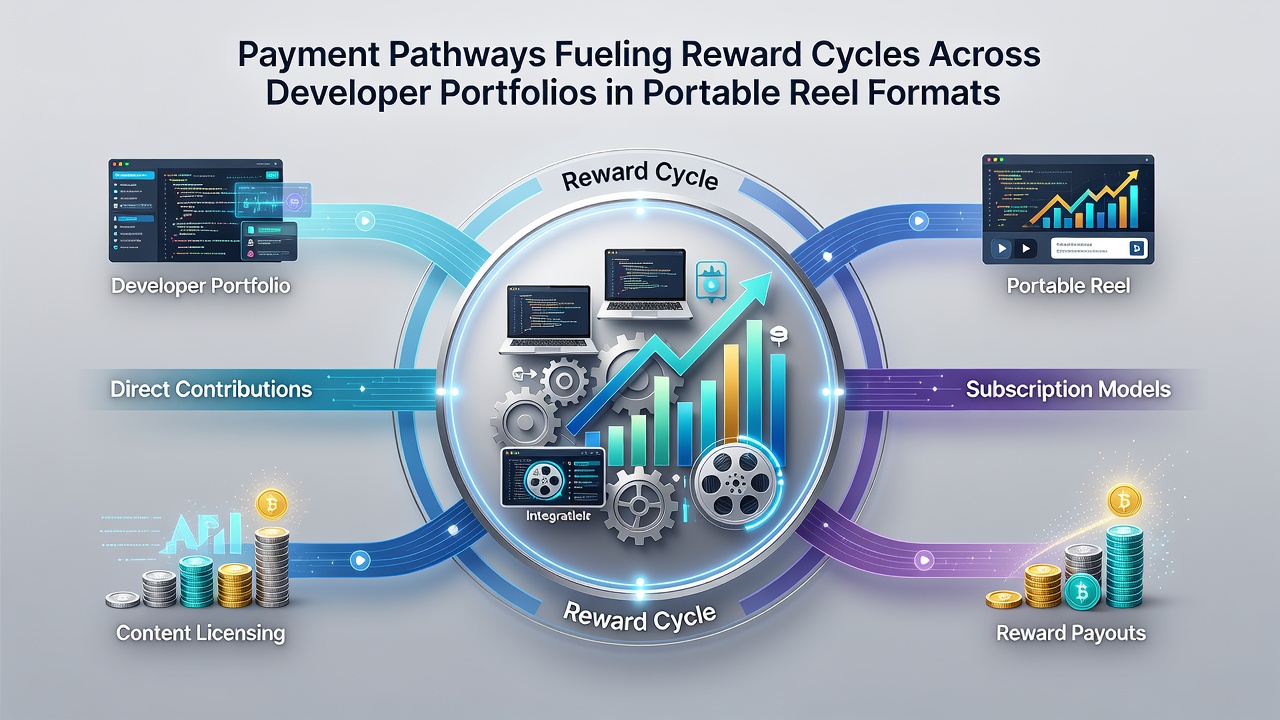
The result appears in aggregated statistics where mobile reel sessions show sustained activity spikes following each funding event. Research papers from Canadian institutions highlight that provinces with streamlined e-wallet rules recorded consistent month-over-month growth in reward redemptions through developer networks.
Security and Compliance Layers
Payment pathways incorporate encryption protocols and regulatory checks that verify player identity before unlocking reward tiers. These safeguards prevent cycle disruptions while maintaining compliance with local rules on fund movement. When anomalies surface, automated systems pause the reward feed until resolution, preserving integrity across the entire portfolio.
Trade group publications note that developers who embed compliance directly into their payment interfaces experience fewer interruptions in bonus delivery. This integration supports continuous cycles even as new regulatory frameworks roll out in different jurisdictions.
Future Trajectory of Integrated Systems
Current patterns suggest continued expansion of API connections between payment providers and game engines. Such expansions allow reward cycles to incorporate real-time currency conversions, enabling players to access developer portfolios without manual exchanges. Figures from global industry analyses reveal steady adoption rates through the first half of 2026, particularly in markets where mobile penetration exceeds 80 percent.
Conclusion
Payment pathways continue to shape reward cycles by linking deposits to automated incentives across developer portfolios in portable reel formats. Data from regulatory bodies, academic studies, and trade organizations demonstrates measurable effects on engagement and retention without reliance on any single regional model. These systems evolve through technical updates and compliance adjustments that keep cycles operational across diverse markets.