Game Provider Tactics for Embedding Promotions Within Secure Payment Flows on Portable Gaming Platforms
Henrik Carter · Jul 19, 2026
Game Provider Tactics for Embedding Promotions Within Secure Payment Flows on Portable Gaming Platforms
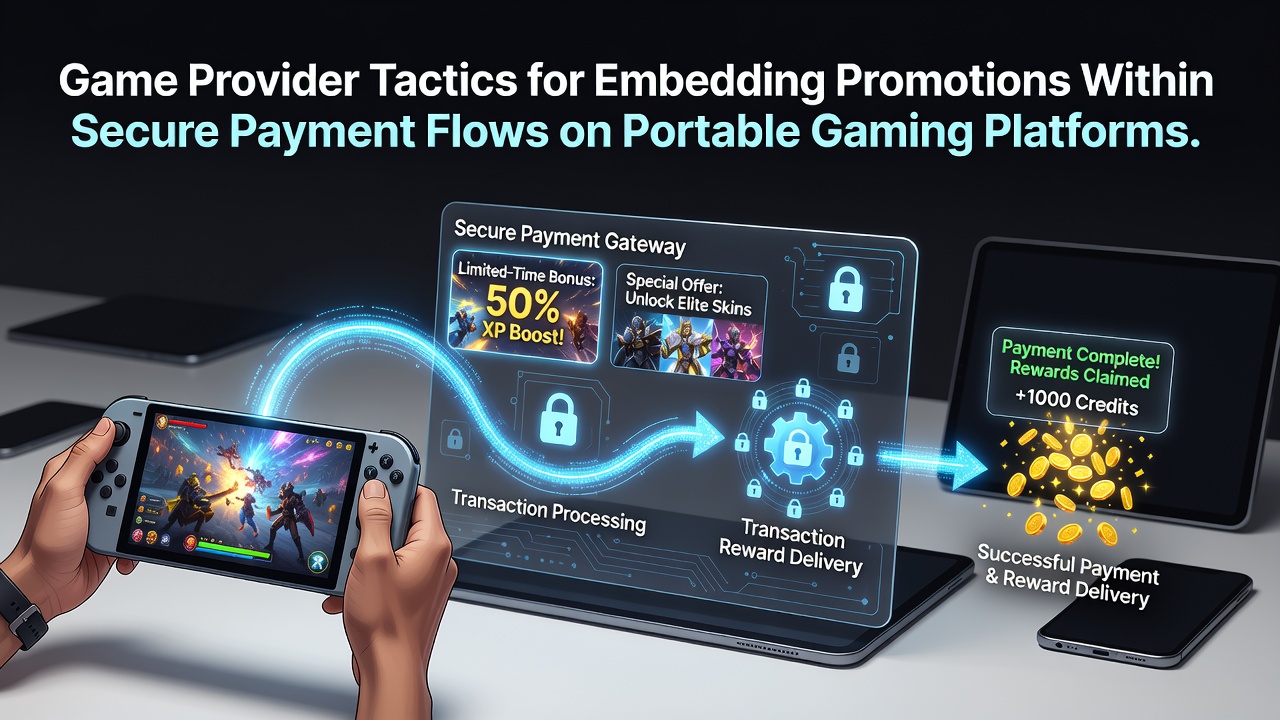
Game providers have developed sophisticated methods to weave promotional offers directly into encrypted payment sequences on smartphones and tablets, ensuring that bonus triggers occur without exposing transaction data to interception risks. These approaches rely on tokenized APIs that activate rewards such as deposit multipliers immediately after authorization completes, all while maintaining compliance wth standards like PCI-DSS across iOS and Android ecosystems. Observers note that portable platforms present unique challenges because device-level security features, including biometric authentication, must align with backend promotion logic to prevent timing attacks or session hijacks.
Core Integration Methods in Payment Sequences
Providers embed promotion logic through server-side hooks that activate only after payment gateways confirm funds transfer using end-to-end encryption protocols. This setup allows for real-time allocation of free spins or cashback percentages once the transaction clears, with the entire process occurring in milliseconds to match user expectations on mobile networks. Research from industry reports indicates that such tactics reduce cart abandonment rates by synchronizing promo displays with confirmation screens rather than interrupting checkout flows.
Security remains paramount because any promotional overlay must route through authenticated channels that isolate marketing data from sensitive card details or wallet identifiers. Experts have observed that leading providers employ zero-knowledge proofs in these flows, enabling verification of eligibility for bonuses without revealing full user financial profiles to third-party ad systems. Data shows that portable gaming sessions in July 2026 saw increased adoption of these methods amid rising mobile transaction volumes reported by global payment processors.
Platform-Specific Adaptations for Mobile Devices
On Android devices, game providers leverage Google Play Billing APIs to insert conditional promo triggers that fire post-purchase without requiring additional user input, whereas iOS implementations use StoreKit frameworks to handle similar sequences under Apple's strict sandboxing rules. Those who've studied mobile integrations note that cross-platform consistency demands careful handling of regional payment regulations, such as those from the Australian Communications and Media Authority, which emphasize transparent disclosure of bonus terms during the authorization step.
Portable platforms also incorporate device fingerprinting to personalize promotions while preserving payment security, allowing providers to deliver targeted offers like loyalty multipliers based on prior session history. This technique connects directly to payment confirmation events, creating seamless experiences where users receive instant notifications of applied rewards through push channels secured by end-to-end protocols.
Compliance and Risk Mitigation Strategies
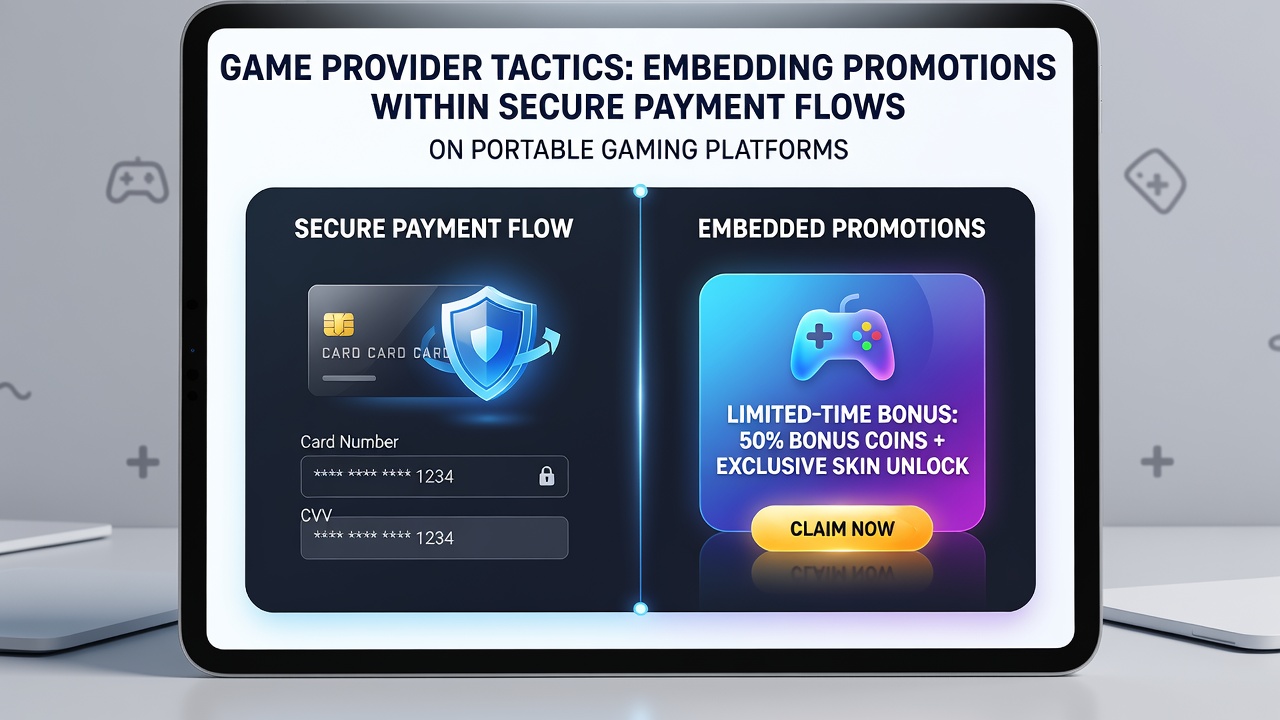
Regulatory frameworks in multiple jurisdictions require that promotional elements within payment flows include clear opt-in mechanisms to avoid misleading users about transaction totals. Providers address this by displaying bonus conditions in expandable sections during the payment review phase, using dynamic content loaded from verified servers. According to analyses from the European Gaming and Betting Association, such layered approaches have supported steady growth in mobile gaming participation through mid-2026 while meeting data protection mandates.
Risk mitigation further involves regular penetration testing of the integrated systems, where simulated attacks target the junction between payment authorization and promo activation modules. Researchers discovered that isolating these components through microservices architecture prevents cascade failures if one element encounters anomalies, maintaining overall transaction integrity across high-volume portable sessions.
Emerging Patterns Observed in 2026 Deployments
By July 2026, several providers shifted toward AI-driven eligibility checks embedded in payment gateways, where machine learning models assess user patterns in real time to determine applicable promotions without storing raw financial data locally on devices. This evolution builds on earlier static rule sets and connects promotional logic more tightly with fraud detection layers. Industry organizations tracking these shifts report that adoption rates climbed notably among mid-sized operators focused on tablet and smartphone markets.
Additional tactics include deferred bonus crediting, where promotions activate only after a cooling period post-payment to align with responsible gaming guidelines in various regions. Observers note this method reduces impulse-driven disputes while preserving the immediacy users expect from mobile interfaces through transparent status updates sent via secure messaging.
Conclusion
Game providers continue refining these embedded promotion tactics by prioritizing encryption standards and platform-native tools that keep payment flows intact on portable devices. The result supports efficient reward delivery alongside robust security measures that adapt to evolving mobile ecosystems and regulatory expectations worldwide.