Integrated Payment Solutions: Customizing Player Rewards Across Mobile and Live Dealer Platforms
Lars Schwarz · May 29, 2026
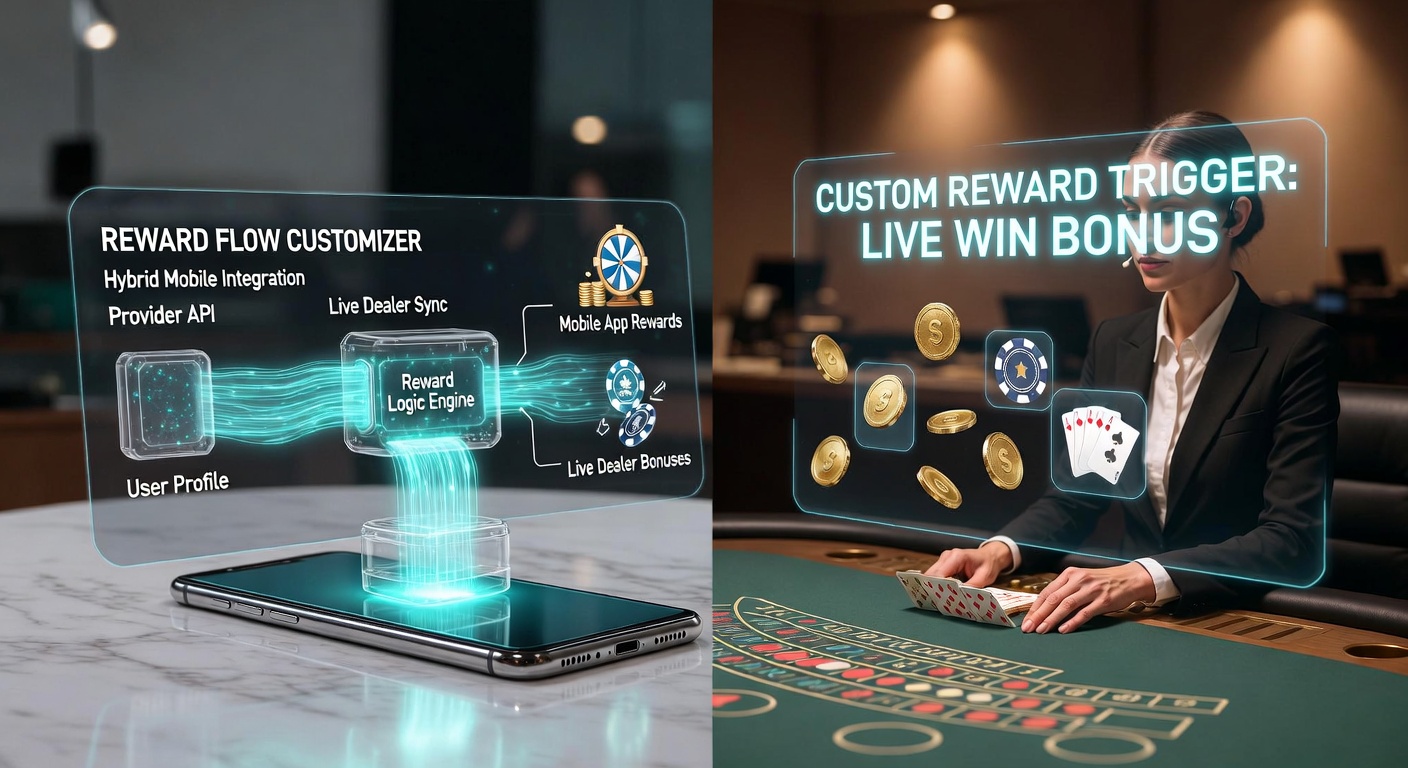
Integrated Payment Solutions: Customizing Player Rewards Across Mobile and Live Dealer Platforms
Financial technology integrations have transformed how gaming operators manage reward systems in environments that combine mobile applications with live dealer experiences, and these developments allow providers to adjust bonus structures, loyalty incentives, and payout mechanisms in real time based on individual player behavior across both formats.
Systems built on application programming interfaces connect payment processors directly to game servers so operators can route rewards through unified ledgers that track activity whether a player switches from a mobile slot session to a live blackjack table or vice versa, and this connectivity reduces fragmentation that once required separate tracking tools for each channel.
Core Components of Fintech Reward Customization
Modular payment gateways sit at the center of these integrations because they support dynamic rule engines that define reward eligibility according to criteria such as session length, wager volume, or game type, while data from both mobile interfaces and live dealer streams feed into the same analytics layer. Operators therefore create tailored flows where a player completing a mobile challenge earns credits that activate automatically during a subsequent live dealer round, and the reverse path works equally well when live table performance triggers mobile-specific promotions.
Tokenization and digital wallet connections further streamline these processes because encrypted tokens replace sensitive financial details during transfers, which lets reward adjustments occur without repeated authentication steps, and multi-currency support built into many of these platforms handles cross-border players who move between mobile and live formats without manual currency conversions.
Hybrid Format Challenges and Technical Resolutions
Live dealer environments introduce latency considerations that mobile sessions typically avoid, yet modern integrations address this through synchronized event listeners that update reward balances within seconds of a table outcome or a mobile spin result, and testing conducted by platform providers has confirmed that these listeners maintain consistency even when network conditions vary between desktop live streams and mobile data connections. Observers note that such synchronization prevents the reward discrepancies that previously frustrated players who experienced delays when transitioning between formats.
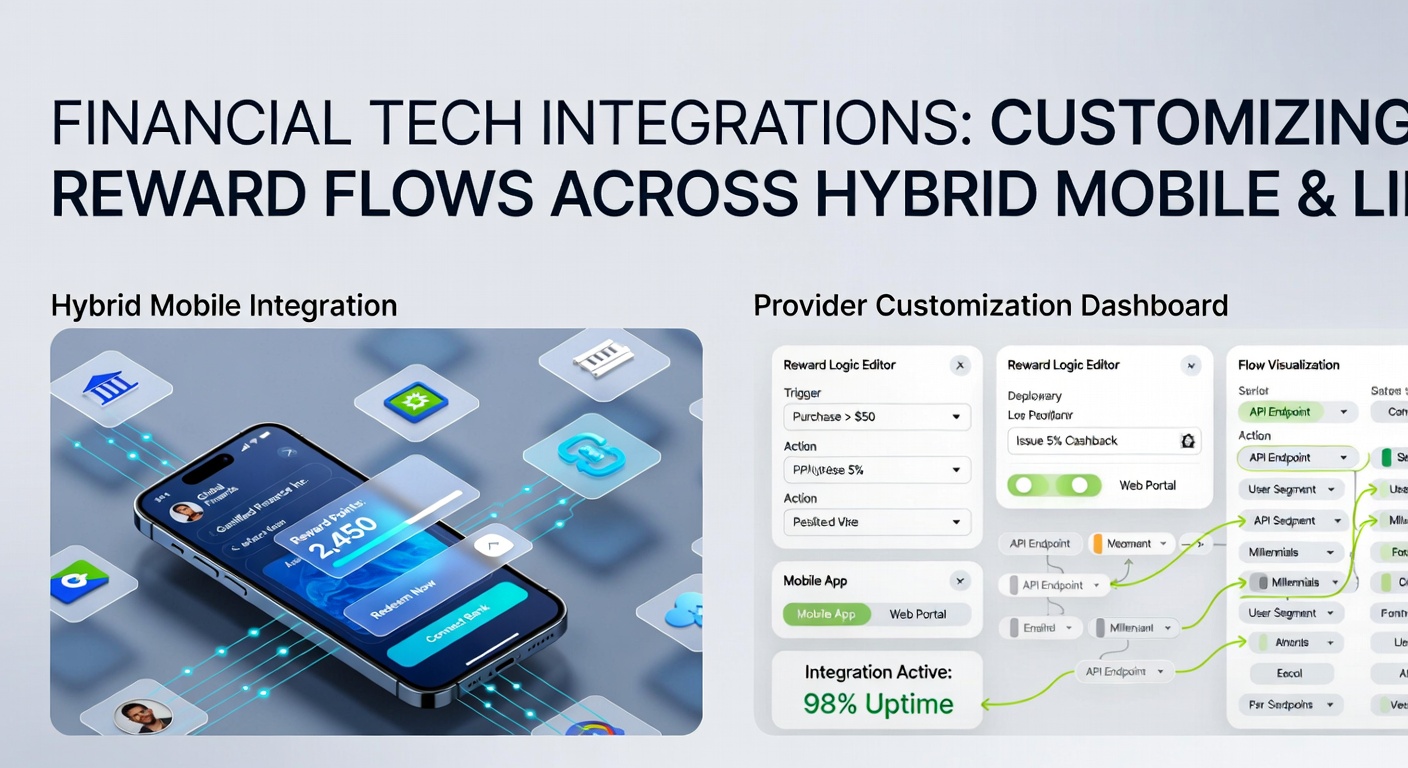
Regulatory reporting requirements also benefit from these unified systems because transaction logs from both mobile and live dealer activity compile into single audit trails that satisfy oversight bodies across different jurisdictions, and automated compliance checks embedded in the fintech layer flag patterns that might indicate bonus abuse before rewards finalize.
Implementation Patterns Observed in 2026
By May 2026 several major platform suppliers had rolled out enhanced versions of their reward engines that incorporate machine learning models to predict optimal reward timing across hybrid sessions, and these models analyze historical data from thousands of player journeys to suggest when a loyalty multiplier should apply or when a cashback threshold should trigger. One documented case involved an operator that used the updated engine to shift a portion of its mobile free-spin allocations into live dealer chip bonuses for players who showed higher engagement during evening table sessions, which produced measurable increases in cross-format retention according to internal metrics shared at industry events.
Partnerships between payment specialists and gaming software developers have accelerated these capabilities because the specialists supply the ledger infrastructure while the developers embed the reward logic directly into game clients, and this division of labor allows quicker updates when new game types or live dealer variants enter the market. Data from the European Gaming and Betting Association indicates that operators adopting such integrated approaches reported reduced reconciliation times between mobile and live channels during the first quarter of 2026.
Security and Scalability Considerations
Encryption standards and multi-factor authentication protocols protect the reward customization pipelines because any alteration to a player's reward flow must pass through verified channels that log every change with timestamps and operator identifiers, and these measures align with broader financial technology requirements that apply to digital payments outside the gaming sector as well. Scalability testing performed on cloud-based deployments has shown that the same architecture handles peak loads during major sporting events when live dealer traffic spikes alongside mobile usage without compromising reward delivery speed.
Future expansions under discussion include deeper integration with decentralized finance tools that could let players convert certain rewards into blockchain-based assets usable across multiple operators, yet current implementations remain focused on centralized ledgers that provide the control needed for regulatory compliance. Research published through academic channels on payment technology in entertainment sectors highlights that hybrid reward systems achieve greater player satisfaction when customization options remain transparent and reversible within defined time windows.
Conclusion
Financial technology integrations continue to provide the technical foundation for reward customization that spans mobile and live dealer formats, and the resulting systems deliver consistent player experiences while meeting operational and regulatory demands. As platform capabilities advance, the ability to adjust reward flows in response to real-time data from both channels supports sustained engagement across the hybrid landscape without requiring separate management tools for each format.