Payment Diversity Reshaping Reward Structures Across Hybrid Casino Platforms
Lars Schwarz · May 22, 2026
Payment Diversity Reshaping Reward Structures Across Hybrid Casino Platforms
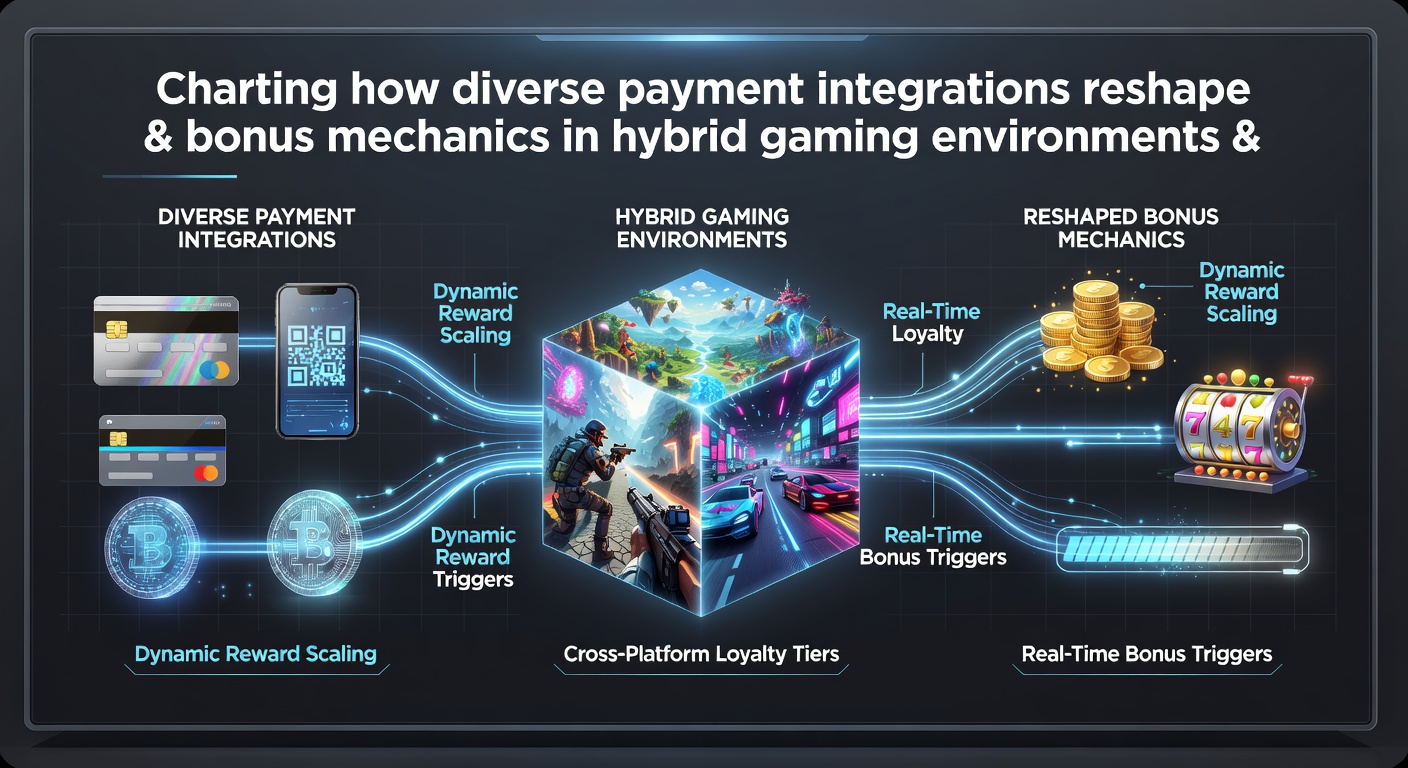
Payment integrations have moved far beyond simple deposits in recent years, and researchers tracking industry data note that these systems now directly influence how bonuses activate, scale, and deliver value inside hybrid environments where slot reels sit alongside live dealer tables. Studies from multiple regions show that real-time transaction processing allows operators to trigger instant free spins or cashback offers the moment funds clear, whereas slower methods like traditional bank wires often delay bonus eligibility by hours or even days. Data indicates that platforms combining mobile slots with live casino streams have adopted layered payment rails to synchronize reward mechanics across both verticals, creating seamless experiences that keep players engaged without switching interfaces.
Core Mechanisms Driving Change
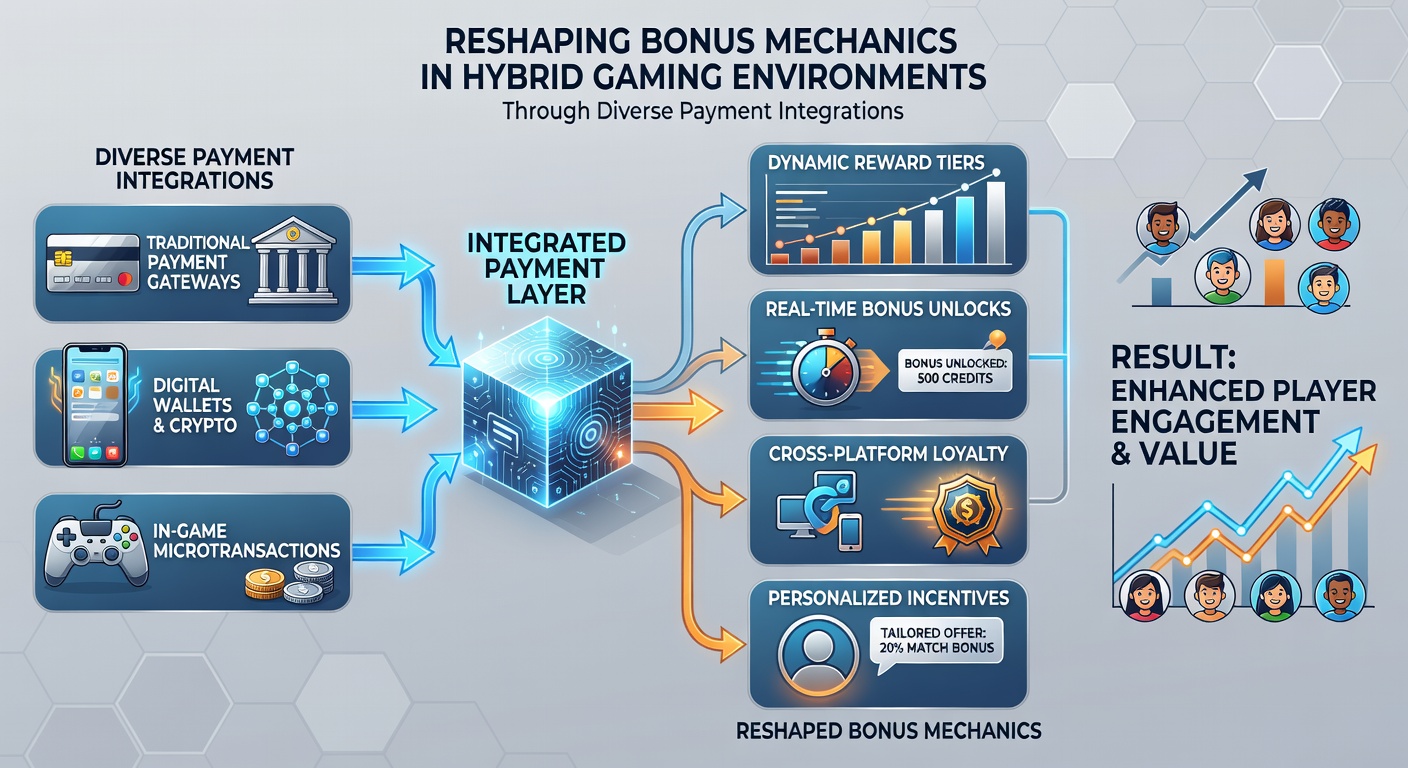
Hybrid gaming environments rely on unified player accounts that pull from multiple game types, yet payment choice determines which bonus pools become accessible at any given moment. Observers note that e-wallet integrations such as those supporting instant transfers frequently unlock progressive jackpot contributions or multiplier bonuses unavailable through credit card deposits, because settlement speed lets operators verify funds and apply promotions in one automated step. Meanwhile cryptocurrency rails introduce additional variables since fluctuating exchange rates can alter the nominal value of a bonus at the point of credit, prompting providers to build dynamic adjustment algorithms that maintain fairness across volatile assets. In May 2026 several major platforms rolled out cross-currency bonus ledgers that recalculate live-dealer side bets and slot free-spin values simultaneously when players switch between payment sources mid-session.
Regional Regulatory Influences on Bonus Delivery
Regulatory frameworks shape how payment methods interact with bonus mechanics, and evidence from different jurisdictions reveals distinct patterns. According to reports issued by the New Jersey Division of Gaming Enforcement, operators must log every payment type used to fund a bonus-eligible session, which has led to granular tracking tools that adjust reward percentages based on the chosen method's risk profile. Australian government gaming data similarly highlights that platforms offering both slots and live tables must separate bonus funds by payment origin to comply with anti-money-laundering rules, resulting in split wallets that players navigate through unified dashboards. These requirements have pushed developers to create modular bonus engines capable of reading payment metadata and applying the correct ruleset without manual intervention.
Technical Integration Examples
One platform that merged live roulette with progressive slot networks introduced API hooks allowing instant payout confirmations to feed directly into a shared bonus meter, and data shows this reduced average time between deposit and first bonus trigger from forty-five minutes to under two. Another case involved a provider linking bank transfer options to loyalty tiers that only unlock after a set number of cleared transactions, while mobile wallet users receive accelerated progress toward the same milestones. Such differences demonstrate how payment choice now functions as an active variable rather than a background process.
Player Behavior and Bonus Utilization Patterns
Analytics collected across hybrid sites indicate that users selecting faster payment options tend to engage with bonus features more frequently, particularly those tied to live dealer side games that require immediate funding. Figures reveal a measurable uptick in multi-game sessions when instant payout methods coincide with time-limited free spin offers, because players can move winnings between slot and table environments without waiting for settlement. Research compiled by the International Gaming Institute at UNLV points to similar trends in North American markets, where hybrid operators report higher retention among accounts that regularly switch between digital wallets and traditional cards depending on the bonus type on offer.
Future Trajectories for Integrated Systems
Developers continue refining the connections between payment processors and bonus engines, and current roadmaps suggest deeper personalization based on transaction history. Systems under testing in 2026 already scan payment velocity to adjust bonus multipliers dynamically, offering higher percentages to players whose deposit patterns align with responsible play thresholds. Industry associations such as the European Gaming and Betting Association have documented early pilots where hybrid environments use payment metadata to tailor live casino promotions separately from slot rewards, creating parallel but interconnected bonus ecosystems. These advancements rely on secure data exchange standards that maintain player privacy while enabling precise reward calibration.
Conclusion
Diverse payment integrations have become structural components that define bonus availability, timing, and scale inside hybrid gaming environments, and ongoing platform updates continue to embed these connections more tightly. As transaction technologies evolve, the mechanics governing rewards across slots and live tables will likely grow even more interdependent, with payment choice serving as a primary control layer rather than a mere funding step.