Secure Tactics for Linking Payment Gateways to In-Game Bonus Systems in Mobile Development
Freya Becker · Aug 23, 2026
Secure Tactics for Linking Payment Gateways to In-Game Bonus Systems in Mobile Development
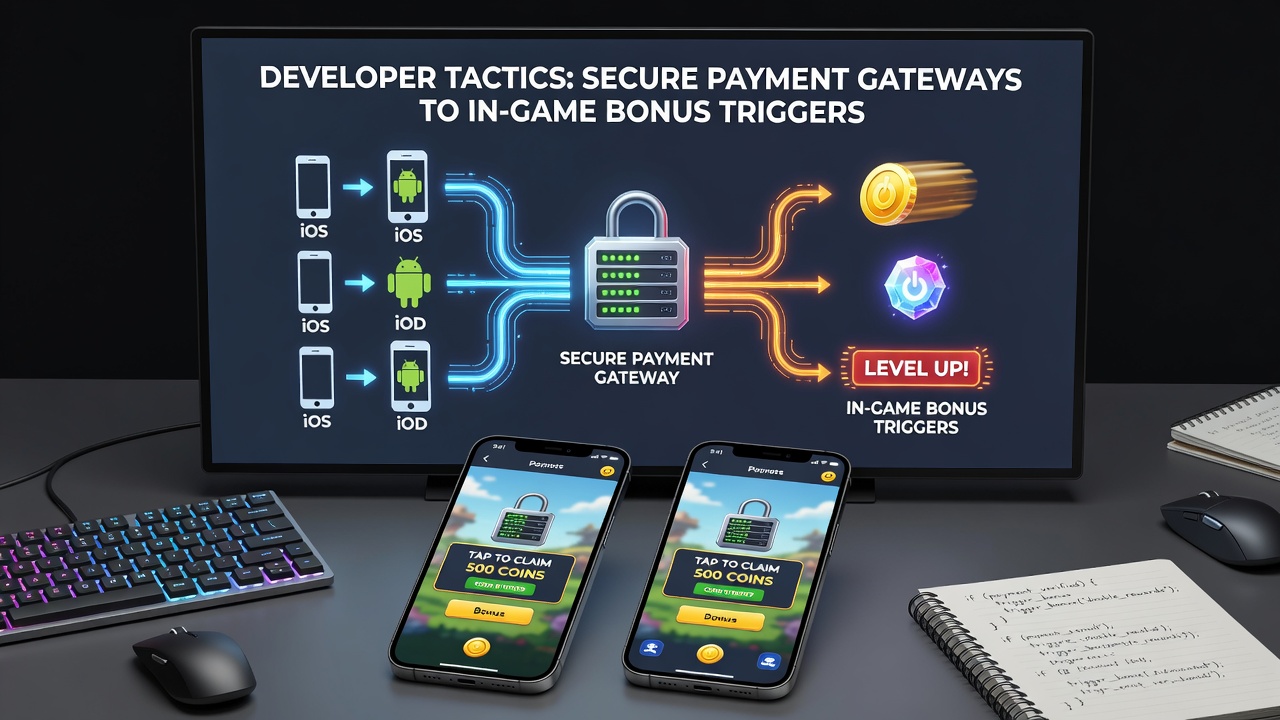
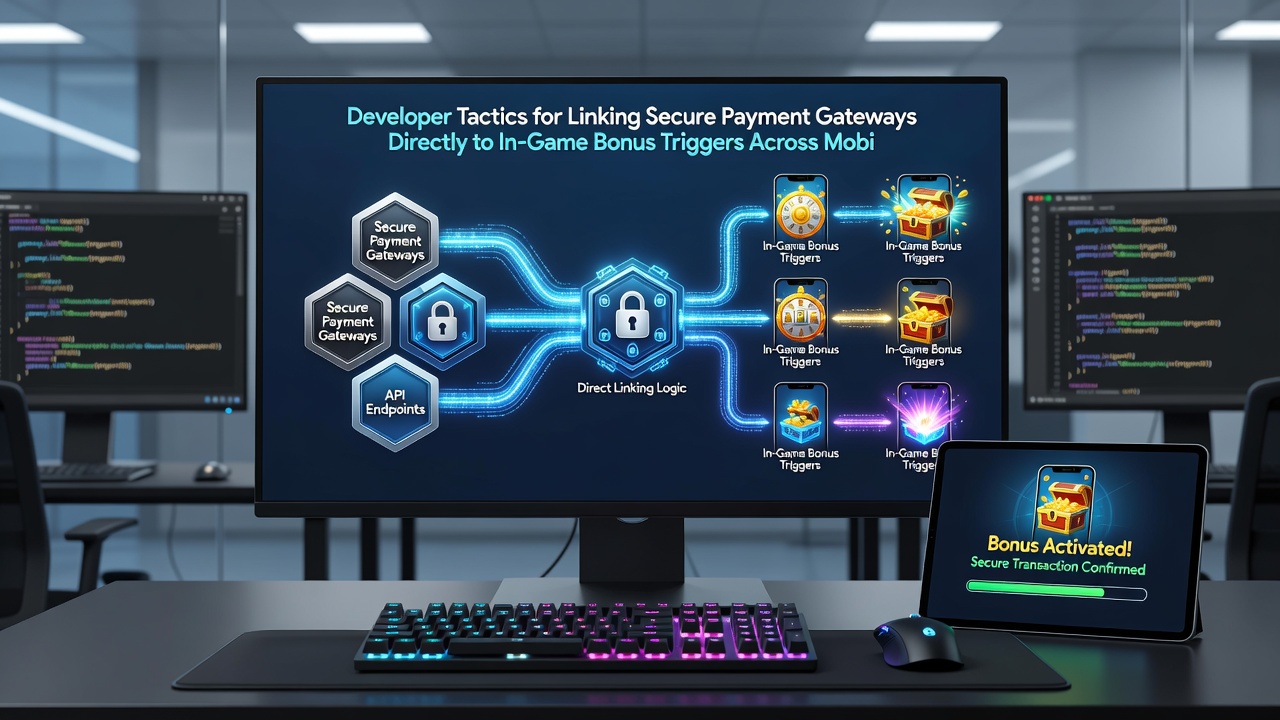
Developers across the mobile sector continue to refine methods that connect payment gateways directly to bonus activation points inside games, and these approaches rely on layered security protocols combined with platform-specific APIs to maintain transaction integrity while enabling seamless reward delivery. Research from industry bodies shows that such linkages reduce latency between purchase confirmation and bonus unlock by up to 40 percent when implemented with token-based verification systems rather than direct database calls. Teams that follow these patterns often start by mapping each bonus trigger to a unique payment event identifier so that the gateway can validate funds before any in-game state change occurs.
Core Security Frameworks
Security begins with end-to-end encryption of all payment payloads and the use of hardware-backed keystores on both Android and iOS devices, which prevents interception during the handoff between gateway response and bonus server. Observers note that developers who embed certificate pinning within their mobile clients see fewer man-in-the-middle incidents, especially when handling micro-transactions that trigger limited-time bonuses. Data from the U.S. Federal Trade Commission highlights rising complaints about unauthorized in-app charges, prompting teams to add real-time fraud scoring layers that evaluate device reputation and user behavior before releasing any reward.
Platform-Specific Implementation Patterns
Android developers typically route purchases through Google Play Billing while maintaining a parallel secure channel to their own payment gateway for custom bonus logic, and this dual-path method allows immediate rollback if the gateway detects anomalies. On iOS, the requirement to use Apple's In-App Purchase system creates an additional verification step where receipt validation occurs on developer servers before any bonus trigger fires. Those who've studied cross-platform toolkits report that frameworks like Unity and Unreal now include modular plugins that abstract these differences, letting a single codebase handle both ecosystems without duplicating security checks.
August 2026 Standards Update
In August 2026 several major platforms released updated guidelines that require explicit user consent screens before any payment gateway can initiate a bonus-linked transaction, and developers who incorporated these consent flows early experienced smoother app review cycles. The changes also mandate clearer separation between payment processing and game logic so that bonus triggers cannot execute until the gateway returns a signed success token. European regulators aligned with similar requirements under the Digital Services Act, creating a unified expectation for transparency across regions.
Testing and Compliance Workflows
Testing regimens now incorporate automated scripts that simulate gateway failures at every stage of the bonus trigger sequence, which helps teams verify that games gracefully degrade without granting unearned rewards. Compliance teams reference reports from the Australian Competition and Consumer Commission when auditing payment flows for fairness, and these documents emphasize the need for clear refund mechanisms tied directly to bonus revocation logic. Research papers from institutions such as the University of Waterloo have examined latency patterns in high-volume bonus systems, finding that asynchronous token validation outperforms synchronous calls in maintaining both security and player retention.
One studio that integrated a Canadian privacy-focused payment provider discovered that routing bonus triggers through tokenized identifiers reduced data exposure while still allowing precise attribution of each reward to its originating transaction. This approach aligns with broader industry shifts toward minimizing stored payment details on mobile devices.
Conclusion
Developers who combine encrypted gateway handshakes, platform-native billing validation, and rigorous failure testing continue to deliver reliable connections between payments and in-game bonuses across mobile platforms. Ongoing regulatory alignment in multiple regions supports these technical patterns, and the result is more consistent user experiences without compromising transaction security.