Synchronizing Rewards Across Platforms: Leading Studios Bridge Mobile Play, Live Tables, and Flexible Payments
Lars Schwarz · May 20, 2026
Synchronizing Rewards Across Platforms: Leading Studios Bridge Mobile Play, Live Tables, and Flexible Payments
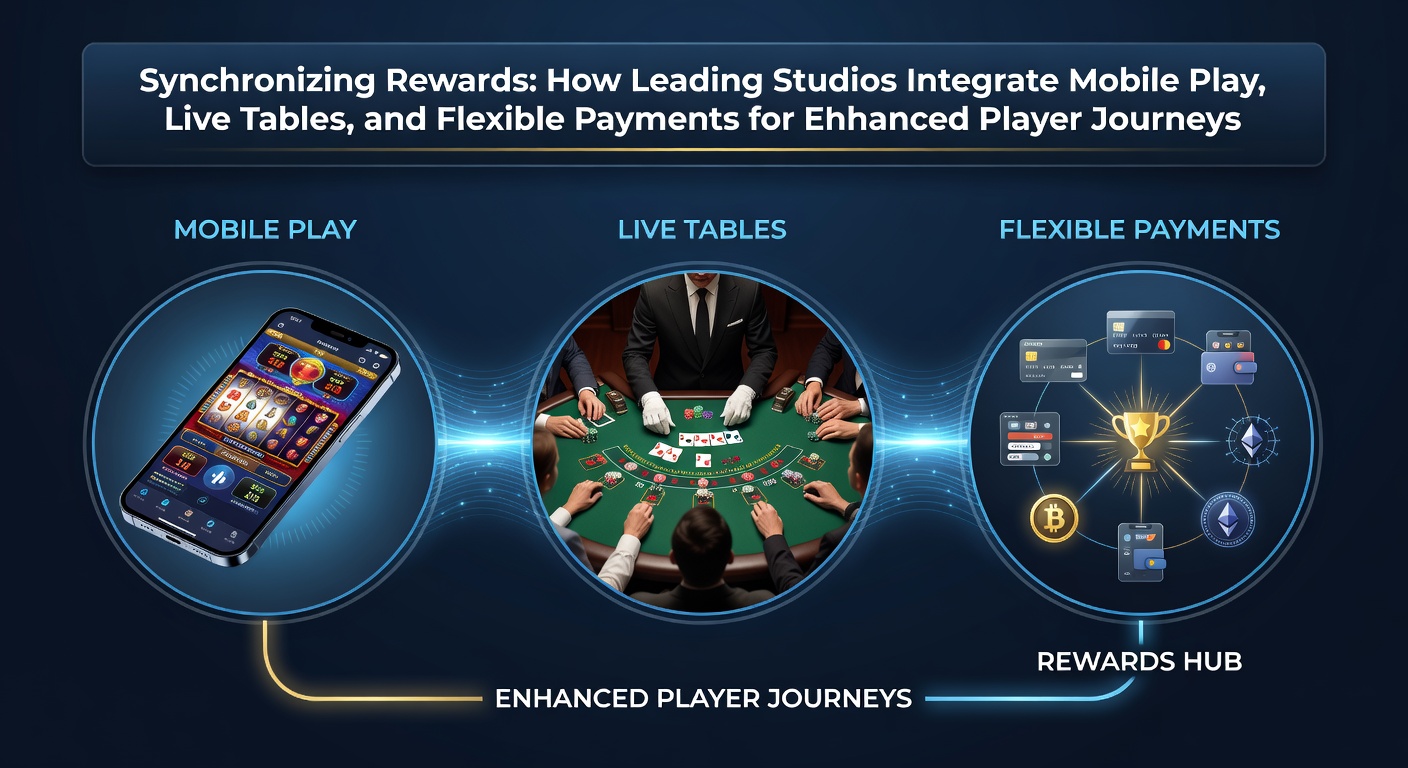
Leading studios have developed integrated systems that connect mobile play, live table games, and flexible payment options into unified player journeys, allowing rewards earned on one platform to transfer seamlessly to others. These setups rely on centralized account management and real-time data syncing, which track player activity across devices and game types while maintaining consistent progress toward bonuses and loyalty tiers.
Platform Integration Mechanics
Studios employ cross-platform APIs that link mobile slots and table games with live dealer environments, so a player completing a mobile session can continue at a live table without losing accumulated rewards or session data. This integration uses cloud-based servers to update player profiles instantly, which means bonuses triggered during mobile spins apply directly when switching to live roulette or blackjack tables. Observers note that such connections reduce friction in player movement between formats, and data from industry reports shows increased session lengths when these systems operate smoothly.
Payment flexibility forms another core element, with studios incorporating multiple transaction methods that update balances across all connected platforms simultaneously. Players deposit via mobile wallets or bank transfers, and funds appear available for both mobile and live table use without separate account actions. Research indicates these adaptive payment layers, including instant processing options, support higher engagement rates because they eliminate delays that previously interrupted play flow.
Reward Synchronization Processes
Reward systems in these integrated environments operate through shared loyalty frameworks that recognize activity from mobile games and live tables equally. Points earned during mobile free spin sequences contribute to the same tier progression that unlocks live table perks, such as personalized dealer interactions or enhanced betting limits. Studios achieve this by maintaining a single player ledger that aggregates data from all channels, and experts have observed consistent reward delivery when these ledgers sync without lag.
Current Developments in May 2026
In May 2026 studios continue rolling out updates that refine these synchronized models, with several major providers introducing enhanced mobile apps that mirror live table interfaces more closely. These updates allow players to view real-time table statistics while on mobile devices and apply pending rewards immediately upon entering live sessions. Figures from gaming associations reveal steady adoption of these features, particularly in regions where regulatory frameworks support cross-platform operations.
Flexible payments have seen further refinement during this period, including support for region-specific methods that process deposits and withdrawals in under a minute across both mobile and live environments. One case involves a studio that linked cryptocurrency options with traditional banking channels, resulting in players accessing unified balances for live table bets after mobile deposits. Such examples demonstrate how payment integration supports uninterrupted journeys from casual mobile play to more structured live table experiences.
Technical Foundations and Player Data Flow
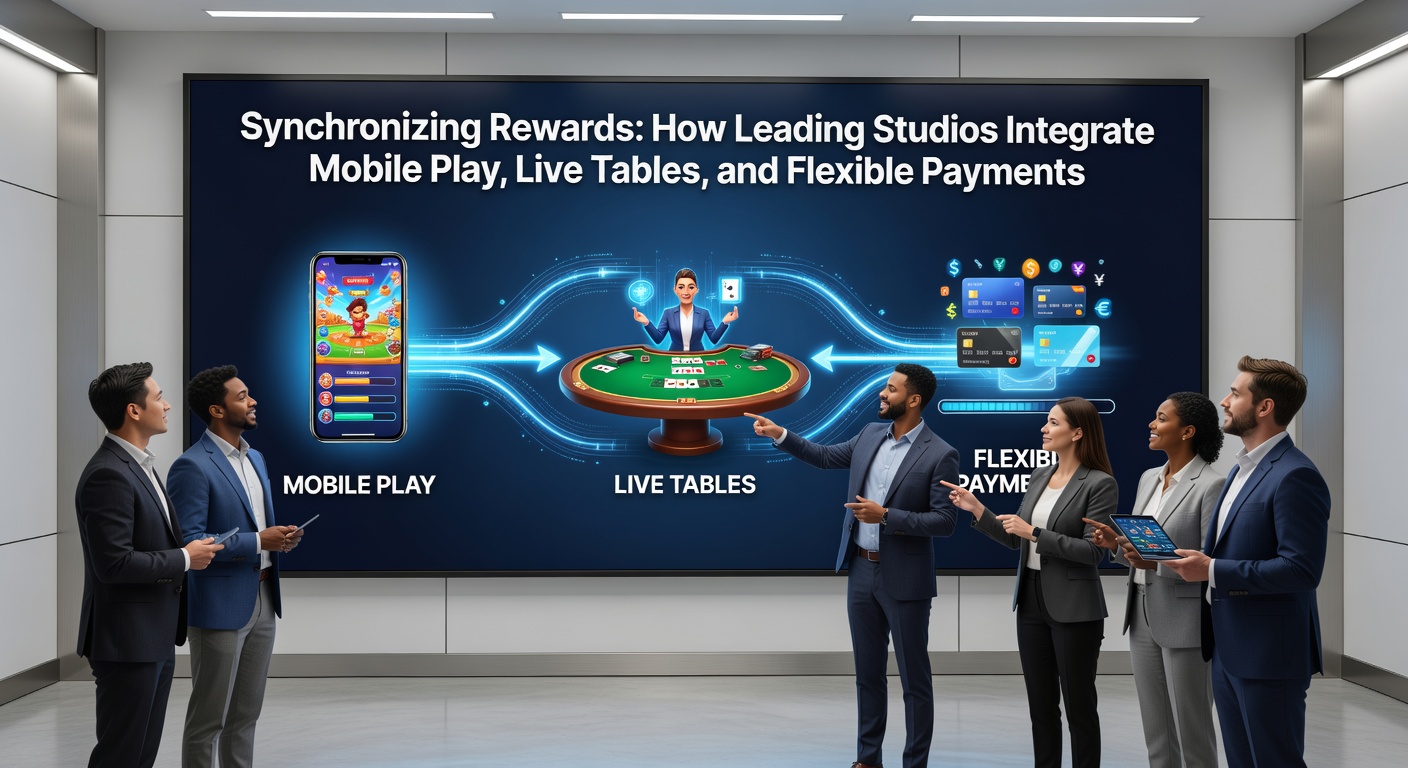
Behind these integrations stand robust backend architectures that handle high volumes of simultaneous transactions and game states. Servers process inputs from mobile interfaces and live table streams, then route reward updates through secure channels that comply with varying international standards. According to reports from the American Gaming Association, operators using these architectures report measurable improvements in player retention metrics when synchronization occurs reliably.
Data privacy measures accompany these technical setups, with studios implementing encryption protocols that protect transaction and gameplay information as it moves between platforms. Players benefit from single sign-on capabilities that maintain session continuity, allowing them to start a mobile session, switch to a live table, and complete payments without repeated authentication steps. Researchers from academic institutions studying digital gaming patterns have documented how these streamlined processes align with broader trends in user experience design across entertainment sectors.
Examples from Industry Practice
Take one studio that coordinated its mobile slot portfolio with live dealer offerings through a shared rewards engine, enabling players to carry over multipliers earned on mobile directly into live table rounds. This approach produced documented increases in cross-format participation according to internal analytics shared at industry events. Another provider introduced payment gateways that auto-convert currencies for international players, which then sync with loyalty point systems spanning mobile and live environments.
What's interesting here involves the way these systems handle edge cases, such as interrupted live sessions that resume on mobile devices with all prior rewards intact. Studios achieve this through persistent session storage and automated reconciliation processes that run in the background. Observers note that such capabilities have become standard among top-tier providers aiming to maintain competitive positioning in a market where player expectations for seamlessness continue to rise.
Conclusion
Integration of mobile play, live tables, and flexible payments represents an ongoing evolution in studio operations, driven by technical advancements that prioritize unified player accounts and real-time reward delivery. Data shows these synchronized approaches support extended engagement across formats, while regulatory compliance in multiple jurisdictions guides the implementation of secure payment and data handling practices. As developments progress through 2026, further refinements in these areas continue to shape how studios structure comprehensive player journeys.