Transaction-Driven Bonus Layers: Exploring Provider Algorithms in Hybrid Gaming Environments
Paul Frank · May 27, 2026
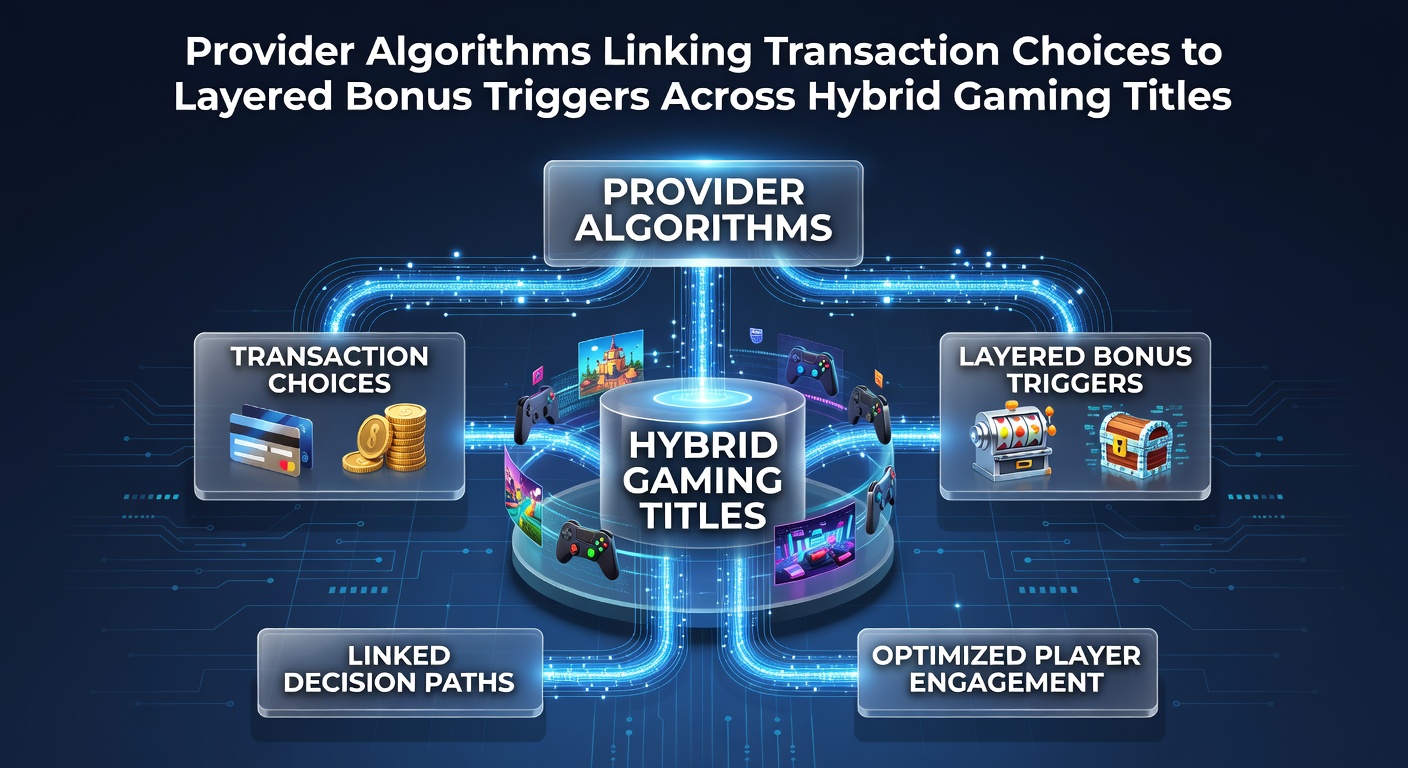
Transaction-Driven Bonus Layers: Exploring Provider Algorithms in Hybrid Gaming Environments
Provider algorithms in hybrid gaming titles operate by analyzing transaction patterns and mapping them directly to multi-tiered bonus activation sequences across combined slot and live casino formats. These systems process payment method selections, deposit amounts, and timing data to determine which bonus layers become available during gameplay sessions that blend virtual reels with real-time dealer interactions.
Data from industry monitoring shows that major developers integrate these connections through decision trees and machine learning models that evaluate user behavior in real time. Transaction choices such as credit card deposits versus e-wallet transfers often feed into separate pathways that unlock distinct bonus structures including initial free spin allocations followed by multiplier escalations and then live table entry rewards.
Core Mechanics of Algorithmic Linkage
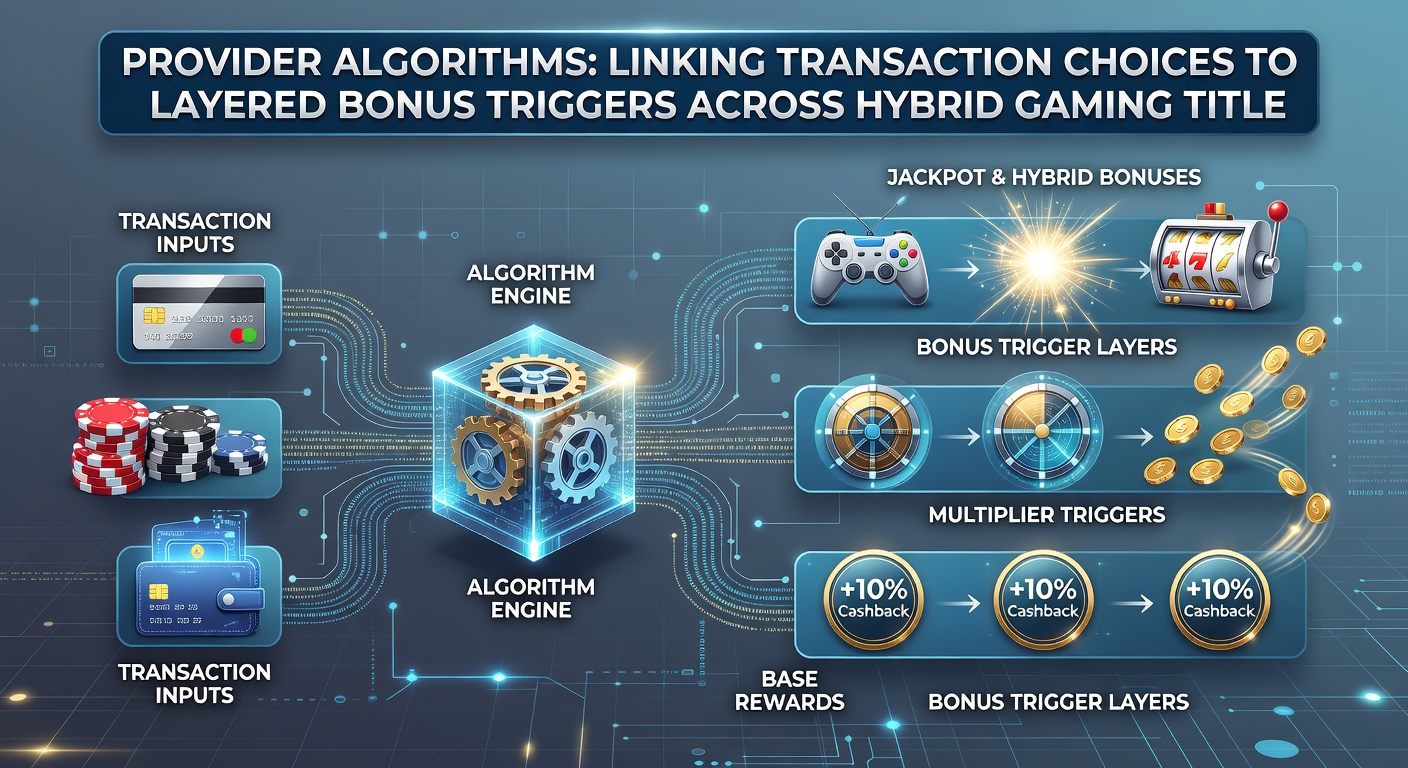
Algorithms begin by categorizing incoming transactions according to predefined criteria that include source type, value thresholds, and frequency markers. Once classified, the system routes the data to layered trigger modules that activate sequentially rather than simultaneously. A single deposit might first release base-level slot bonuses, then condition subsequent triggers on continued play that incorporates live casino elements.
Researchers at technical gaming conferences have documented how these pathways rely on conditional logic that cross-references transaction metadata with game state variables. Hybrid titles benefit from this approach because the same algorithmic backbone can manage both automated reel outcomes and synchronized live bonus events without requiring separate infrastructure for each component.
Implementation Across Major Providers
Leading software houses deploy these algorithms within unified platforms that support both slot mechanics and live dealer streams. Transaction inputs flow through API endpoints that standardize data formats before feeding them into the central bonus engine. This standardization allows consistent trigger responses across titles that otherwise differ in visual design and payout structures.
Observers note that updates rolled out in May 2026 refined the timing parameters within these engines, enabling faster transitions between bonus layers when players switch between slot and live segments. The refinements focused on reducing latency in trigger detection while maintaining compliance with regional technical standards.
Integration with Payment Ecosystems
Payment processors supply the raw data streams that algorithms require for accurate classification. Systems distinguish between instant settlement methods and those involving brief authorization delays, assigning bonus eligibility accordingly. This differentiation appears in hybrid environments where a rapid transaction might unlock an additional multiplier tier unavailable through slower channels.
Reports from the National Council on Problem Gambling highlight how such linkages influence session duration metrics tracked across multiple jurisdictions. The same data sets show that providers adjust threshold values periodically to align with evolving player retention patterns observed in both European and North American markets.
Technical Architecture and Data Flow
The underlying architecture employs modular components that separate transaction parsing from bonus orchestration. Each module communicates through secure internal channels that preserve data integrity while allowing rapid updates to trigger conditions. Hybrid gaming titles utilize this modularity to synchronize bonus events across disparate game engines without disrupting live dealer feeds.
Academic papers presented at computational gaming symposia describe the use of graph-based models that represent transaction-to-bonus relationships as interconnected nodes. These models enable providers to simulate potential trigger sequences before deployment, identifying edge cases where layered activations might overlap or conflict.
Regulatory and Compliance Considerations
Regional authorities require documentation of algorithmic decision processes to verify fairness in bonus distribution. Providers maintain audit logs that record each transaction classification and the resulting bonus layer activations. Such records support verification procedures conducted by independent testing laboratories operating under standards from bodies like the Gaming Standards Association.
Compliance frameworks in multiple countries mandate that these systems remain transparent enough for third-party review while protecting proprietary logic. The balance allows continued innovation in hybrid title development without compromising oversight requirements.
Conclusion
Provider algorithms that link transaction choices to layered bonus triggers form a foundational element of hybrid gaming title operations. These systems process payment data through structured pathways that deliver sequential rewards across slot and live casino components. Continued refinement of detection timing and classification criteria supports consistent performance across expanding game portfolios while meeting technical and regulatory benchmarks.